
+1 (540) 373-2200
+1 (804) 373-2200
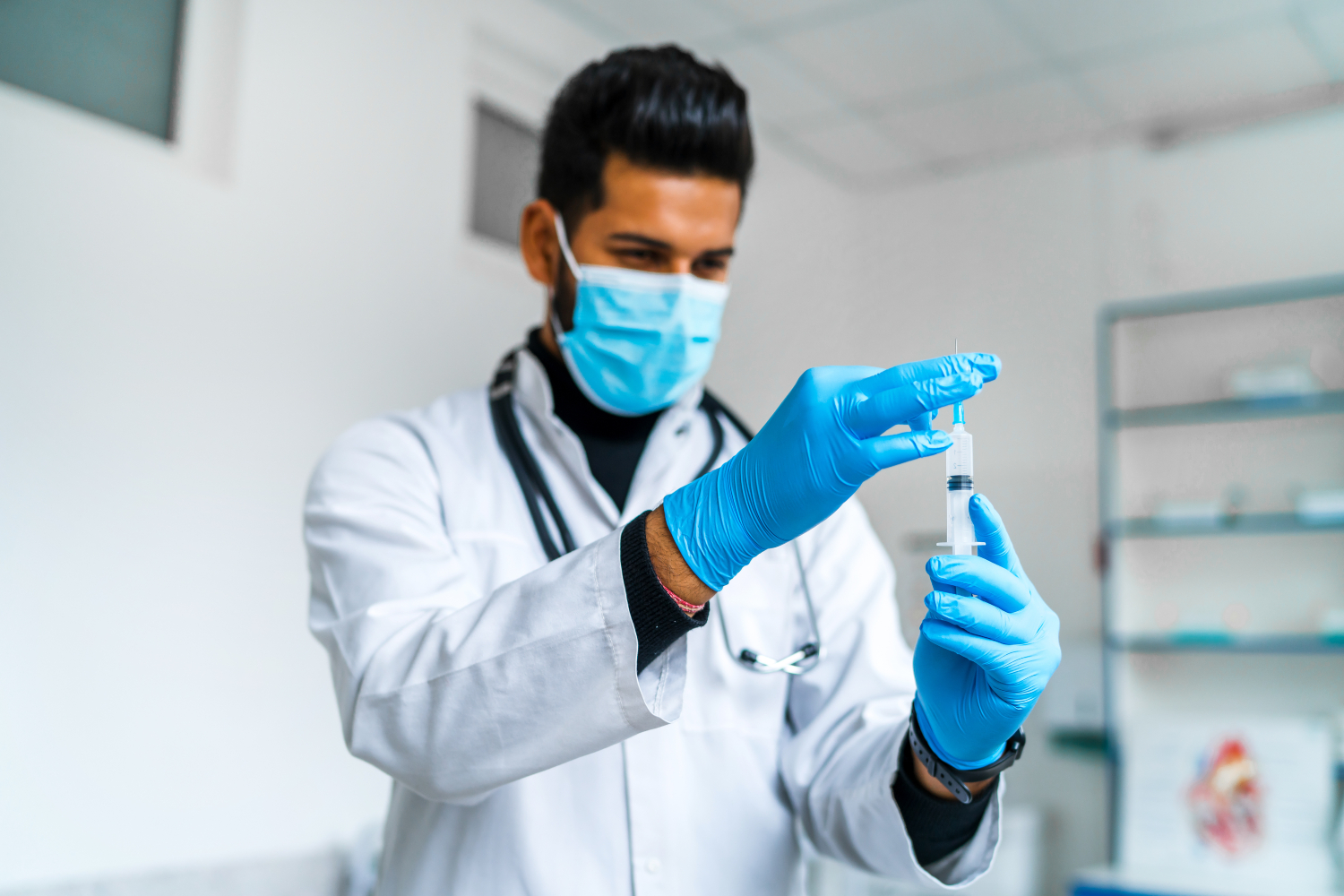
Some people in Fredericksburg (Virginia) know they want to work in healthcare but aren't interested in spending four or five years in school before getting started. They'd rather learn practical skills, begin working sooner, and gain experience along the way. That's one reason more students are looking at phlebotomy as a starting point.
Phlebotomy technicians collect blood samples for laboratory testing, but that's only part of what they do. Phlebotomy technicians also reassure nervous patients, label samples carefully, and follow safety guidelines during every blood draw. Their work is needed in hospitals, clinics, laboratories, blood donation centers, and other medical facilities.
Completing a quality training program and earning certification can help you develop the skills employers expect.
Many people assume phlebotomy is simply drawing blood. In reality, there's much more to the job. Every patient is different. Some people are relaxed. Others are nervous the moment they see a needle. A phlebotomy technician has to know how to collect samples correctly while helping patients stay comfortable throughout the appointment.
During training, students usually practice skills such as:
These aren't skills you learn by watching videos or reading a textbook. They take practice, which is why hands-on training is such an important part of a good phlebotomy technician program in Fredericksburg.
Phlebotomy is a hands-on profession. Reading about blood collection is helpful, but real confidence comes from practicing the techniques under proper supervision.
During training, students also develop workplace skills such as:
These are skills you'll use regularly in clinical settings, making it easier to transition from training into the workplace.
One reason many students choose phlebotomy is that they don't have to spend several years in school before starting a healthcare career. Compared with many other medical professions, training is shorter, allowing students to begin working much sooner.
For people changing careers, returning to school, or entering healthcare for the first time, this can be an attractive option. It allows you to build practical experience while deciding whether you'd like to continue into another healthcare role later.
Instead of waiting years to enter the workforce, many graduates can begin looking for employment shortly after completing their training and certification.
No two workdays are exactly alike. One patient may be relaxed and talkative, while another may feel anxious. Learning how to adjust your approach to different people is part of the job.
A phlebotomy technician may work with:
Over time, many technicians find that these everyday conversations become one of the most rewarding parts of the job. A calm explanation or a little patience can make a stressful appointment much easier for a patient.
When employers review applications, they're looking for people who can step into the job with the right training. Completing a phlebotomy technician certification program in Fredericksburg indicates to them that you've already learned the basics and understand what's expected in a clinical setting.
It won't guarantee a job, but it can give you an advantage over someone with no formal training. For many employers, that's an important factor during the hiring process.
With certification, you may be able to apply for jobs in:
Many people also use phlebotomy as a starting point. After spending some time in the field, they often decide to continue their education or move into another area of healthcare.
Blood tests are part of everyday healthcare. A doctor may order one during a routine checkup, before surgery, or to find out what's causing certain symptoms. None of those tests can happen until someone collects the sample correctly.
That's where phlebotomy technicians come in. They work in hospitals, medical offices, laboratories, and blood donation centers, helping patients while making sure every sample is handled the right way.
Hiring needs can change from one area to another, but trained and certified technicians continue to be needed in many healthcare settings.
Most students feel a little nervous before working with their first patient. That's completely normal. Good training gives you time to practice, make mistakes, ask questions, and improve before you're expected to do the job on your own.
During the phlebotomy technician course in fredericksburg, students usually learn how to:
The first few attempts can feel a little intimidating, and that's completely normal. The more you practice, the easier it gets. By the time the program ends, most students have already spent plenty of time working through the same practical steps.
Starting a healthcare career doesn't always mean spending years in school first. For many people, phlebotomy is a practical way to get into the field, learn useful skills, and begin working sooner.
At Eastern Virginia Career College (EVCC), students spend time in the classroom and also get hands-on practice throughout the program. That combination helps them build real experience before taking the next step toward certification and a career as a phlebotomy technician.
How long does it take to become a certified phlebotomy technician in Virginia?
Training length varies by school. Some programs can be completed within several weeks, followed by eligibility to take a national certification exam.
What does a phlebotomy technician do?
A phlebotomy technician collects blood samples, prepares specimens for laboratory testing, follows safety procedures, and helps patients throughout the collection process.
Where can certified phlebotomy technicians work?
They may work in hospitals, physician offices, medical laboratories, outpatient clinics, blood donation centers, and other healthcare facilities.
Is certification required to become a phlebotomy technician?
Requirements vary by employer, but many healthcare organizations prefer or require applicants to hold a nationally recognized certification.