
+1 (540) 373-2200
+1 (804) 373-2200
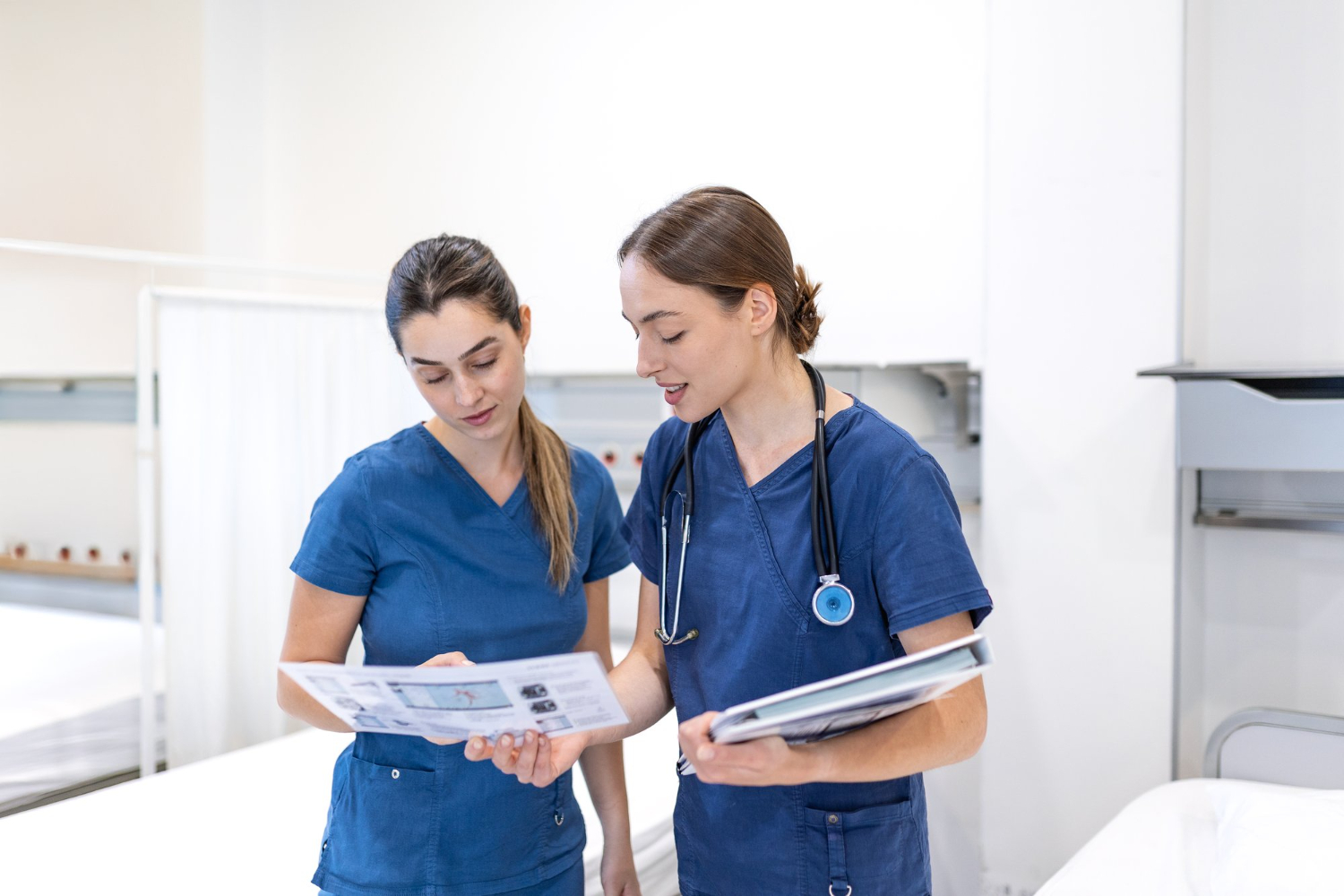
For someone considering a future in healthcare, nursing can be a practical place to begin. It is a profession built around direct patient care, clinical knowledge, and the ability to handle responsibilities that can change from one situation to the next.
There is also more than one route into the field. A Practical Nursing Diploma Program in Richmond allows students to study nursing while developing the practical skills that the profession requires. Coursework provides the foundation, while laboratory and clinical training bring that learning into a more hands-on setting. By the time students move through both parts of their education, they have had the chance to work with the material rather than simply study it.
Practical nurses fall into the wider group of caregivers. All you have to do is complete your education and meet the licensing criteria; then you will become an LPN, or a Licensed Practical Nurse. Exactly what this entails will vary according to the circumstances.
Practical nurses often handle:
Every day is different. Some patients need only temporary care. Others need constant care for their illness. In any case, the work requires attention to details, communication, and following protocol.
Learning in the classroom forms the base, but lab and clinic training help students put their learning into practice.
The nursing student may take time to gain knowledge on the care of patients, the procedures involved, and many other aspects in the field of nursing; however, after some point, this knowledge has to be applied in practice. There is a difference between studying a procedure and doing the procedure itself.
The students that are registered in the Practical Nursing Diploma Program at Richmond receive their education by a combination of classroom teachings, laboratory practice, and clinical education. Classroom teachings involve the theoretical aspect of practical nursing, while hands-on training enables the students to gain insight into practical nursing.
Clinical training also brings students into situations that cannot always be explained on a page. The needs of each individual patient vary, and communication is an element that is involved in almost all aspects of patient care. Students get to observe the interaction among nurses and other medical professionals and how every detail counts.
Completing the program is an achievement but not the destination. Graduates who qualify for taking the NCLEX-PN, the National Council Licensure Examination for Practical Nurses, undergo the examination.
It is an essential aspect in achieving the license of LPN. For that reason, students may think about whether the program will prepare them academically in terms of licensure. The nursing program should give students education in the knowledge and skills needed for practical nursing as well as give them a good preparation for the exam after graduating from the program. For students exploring other healthcare career paths, Medical Assistant Courses can also provide an alternative route into the healthcare field.
Preparation does not only involve memorizing information. Students of nursing should develop a critical thinking approach which will allow them to assess the situation, apply what they know, and make decisions based on their level of education and future profession. Curriculum structure helps students in doing so gradually through the course period.
Nursing is a profession where knowledge and action need to work together. Students may understand a procedure in theory, but performing that procedure correctly requires practice. Lab and clinical time is where that gap closes. Under supervision, students practice nursing skills, receive feedback, and refine their techniques.
That typically covers:
Confidence usually develops over time. It comes from studying, practicing, making corrections, and repeating skills until they become more familiar.
Practical nursing is not limited to what happens in a classroom. It eventually involves caring for patients with diverse needs, working alongside other healthcare professionals, and handling responsibilities that require both expertise and close attention. That is why the training process includes more than coursework and examinations.
At Eastern Virginia Career College (EVCC), the Practical Nursing program runs for 45 weeks and follows a hybrid format. Students will be completing the theory online, and the laboratory and clinical learning will be face-to-face. The program combines several aspects of nursing education as students prepare to take the NCLEX-PN examination and become practical nurses.
How long does a practical nursing diploma program take?
It runs for 45 weeks. Check the schedule and requirements before enrolling.
What is NCLEX-PN?
The NCLEX-PN is the National Council Licensure Examination for Practical Nurses. Eligible graduates take the examination as part of the process of pursuing practical nurse licensure.
Does practical nursing education include hands-on training?
Yes. The program includes laboratory and clinical education, providing students with supervised opportunities to develop and practice nursing skills.
Is the Practical Nursing Diploma Program in Richmond offered in a hybrid format?
Yes. The theoretical part of the program is held online while the laboratory instruction is in-person.