
+1 (540) 373-2200
+1 (804) 373-2200
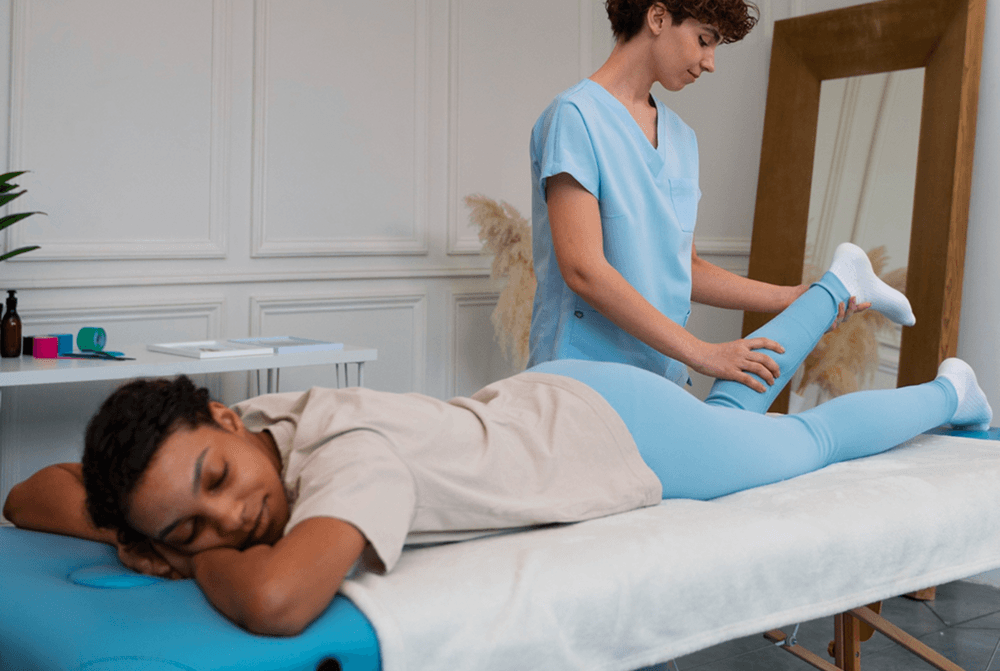
Earning a massage therapy certification starts with an intensive training program designed to provide students with both academic knowledge and hands-on experience. The path centers on practical training, anatomy coursework, and preparation for a licensing exam at the end. Understanding what the training involves can help you prepare for the educational and professional steps ahead.
An effective massage therapy certification program should combine classroom instruction with practical application. Most training programs begin with fundamentals such as Swedish or Classical massage before progressing to techniques such as Deep Tissue massage.
From there, students may be introduced to a wider range of modalities, including Myofascial work, Aromatherapy, Neuromuscular techniques, Hot and Cold Stone massage, Reflexology, Prenatal massage, Pre- and Post-event Sports massage, and Lymphatic massage.
Anatomy and physiology make up an important part of the coursework, with instruction at an introductory college level. Students may also study pathology and the muscles involved in bodywork.
Many programs also introduce Eastern treatment concepts, such as Chinese and Ayurvedic approaches, alongside basic business training for students who eventually want to establish their own practice.
Massage therapy programs are often organized in a modular format. Students typically begin with an introductory course before progressing through classes focused on specific body systems and massage techniques. Clinical courses are also generally included as part of the program.
A typical daily structure may include:
At the end of the program, students may complete an exit course that reviews the material covered throughout their training and helps prepare them for the licensing examination. This may be accompanied by an internship or supervised clinical experience, potentially at a physical therapy or chiropractic office.
This combination of classroom instruction, hands-on practice, and clinical experience helps students meet the educational requirements associated with professional massage therapy licensure rather than simply completing a short-term workshop or certificate course.
Completing a massage therapy training program is not necessarily the final step toward becoming a licensed massage therapist. Many massage therapy programs prepare students to take the Massage and Bodywork Licensing Examination, commonly known as the MBLEx.
After completing the examination, there may be additional steps required before obtaining a license, depending on the state. These can include:
Processing times for licensing applications can vary and may take several weeks or months. Building this timeline into your plans can be helpful if you hope to begin working shortly after completing your training.
Massage therapy licensing requirements vary from state to state, so it is worth considering this if you may relocate in the future. Some states have requirements beyond the standard MBLEx.
If you ar